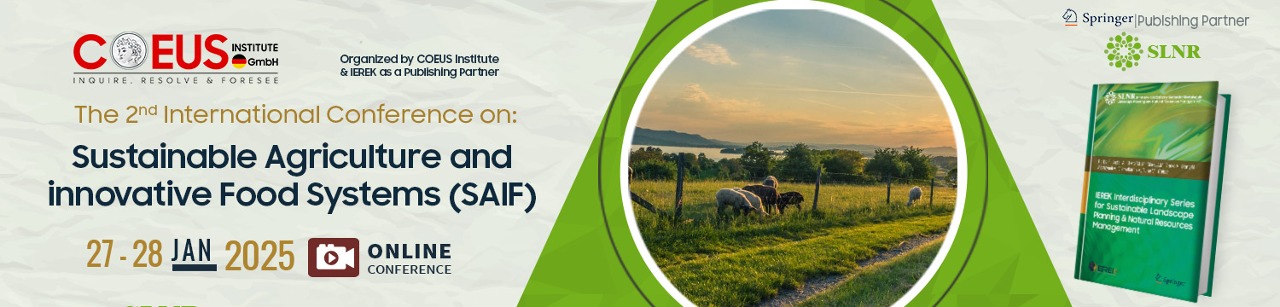
Sustainable Agriculture and innovative Food Systems (SAIF) - 2nd Edition
- 5th Feb - 5th Feb 2025
- Online Conference
- ccp@ierek.com
About the Conference
Humanity is currently at a pivotal point in time, encountering numerous obstacles such as population increase, climate change, resource exhaustion, and environmental deterioration. These pressing issues compel us to reconsider how we sustainably feed a rapidly expanding global population while safeguarding our planet's delicate ecosystems.
The core of this predicament resides in the urgent need to attend to a growing worldwide populace, projected to exceed 9 billion individuals by the year 2050, thus exerting significant strain on our agricultural frameworks. This urgency demands innovative solutions that strike a balance between increased food production and the preservation of our ecosystems. Soil degradation, biodiversity loss, and water scarcity have arisen due to conventional farming methods characterized by excessive chemical usage, mono-culture, and unsustainable land management. As the global population escalates, the implementation of sustainability into agriculture becomes increasingly critical.
The compounding of these challenges is further exacerbated by the imminent presence of climate change—a phenomenon that surpasses national boundaries and poses a threat to every aspect of existence. Agriculture must adapt while minimizing its environmental impact. Increasing temperatures, modified patterns of precipitation, and extraordinary occurrences of weather present noteworthy risks to agricultural production, disturb the flow of supply networks, and intensify susceptibilities, particularly in areas that are already contending with the problem of insufficient access to food.
In response, we are compelled to embrace sustainable agriculture and innovative food systems as the most viable pathway forward. This requires proactive and transformative approaches that prioritize environmental, social, and economic considerations. Sustainable agriculture seeks to maximize resource efficiency, mitigate environmental harm, and bolster resilience amidst climate variability.
Avenues for sustainability goals can be achieved through principles like agroecology, organic farming, and regenerative practices. These methodologies prioritize soil health, biodiversity, and reduced reliance on synthetic inputs, signaling a departure from exploitative agricultural practices towards systems that nurture and replenish resources.
The unwavering transition towards sustainability is driven by a merging of environmental, social, and economic necessities, inciting nations, enterprises, and communities to create a fresh trajectory. Acknowledging the inherent connection between environmental well-being and societal welfare, the implementation of sustainable methodologies not only serves as a reaction to emergencies, but also as a calculated venture into enduring feasibility.
Moreover, a shifting global consciousness towards sustainability amplifies the call for change. Modern consumers increasingly prioritize ethically produced, environmentally friendly food, prompting businesses and governments to recognize the economic advantages of sustainable practices—enhanced efficiency, reduced waste, and improved social outcomes.
We're thrilled to introduce the second edition of the "Sustainable Agriculture and Innovative Food Systems" conference. Building on the success of the inaugural event, this gathering aims to elevate discussions, foster collaborations, and inspire transformative action in sustainable agriculture and food systems. Join us as we push the boundaries of conventional wisdom and pave the way for a more sustainable future.
Scope:
SAIF conference covers a broad spectrum of topics in sustainable agriculture and innovative food systems. From climate change challenges to technological advancements, discussions will explore diverse disciplines. Topics include sustainable farming practices, food security, biodiversity conservation, and policy frameworks. Participants will share research, best practices, and case studies, fostering collaboration among academia, industry, government, and civil society. The conference aims to inspire actionable strategies for a more sustainable and equitable food future.
Statement of Purpose:
The objective of the second edition of the SAIF conference is to serve as a catalyst for advancing sustainable agriculture and innovative food systems worldwide. By bringing together experts, researchers, practitioners, and policymakers, we aim to foster dialogue, collaboration, and knowledge exchange. Our goal is to address pressing challenges such as climate change, resource depletion, and food insecurity while exploring solutions that promote environmental sustainability, social equity, and economic viability in agriculture and food production. Through shared insights, best practices, and actionable strategies, we strive to inspire positive change and contribute to building a more resilient and equitable global food system.
Featured Conferences
View all
CityX: AI Applications for Cognitive Cities
- 07th Dec - 08th Dec 2027
- Online Conference
Earth Systems Dynamics across the MENA and Mediterranean Regions (EarthMENA)
- 05th Oct - 07th Oct 2027
- AudiMAX - Heidelberg, Germany
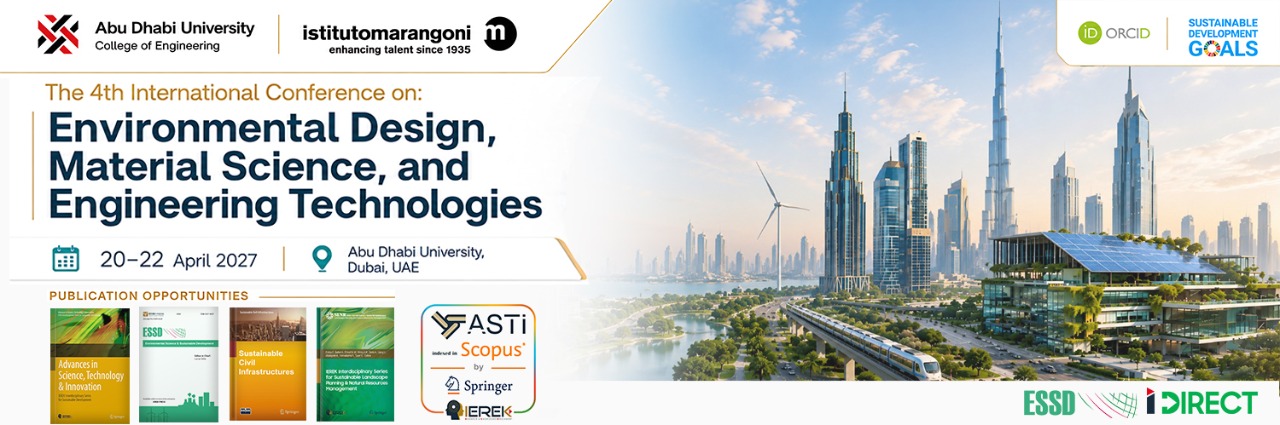
Environmental Design, Material Science, and Engineering Technologies (EDMSET) - 4th Edition
- 20th Apr - 22nd Apr 2027
- Abu Dhabi University, Dubai, UAE
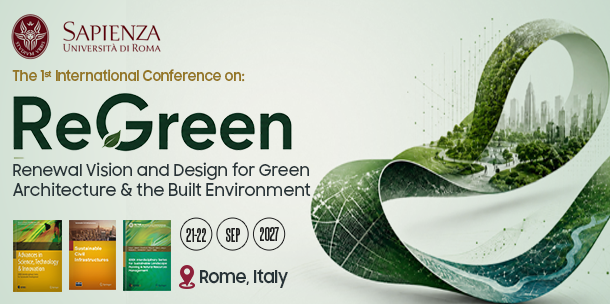
Regenerative Urbanism and Green Cities (ReGreen) - 1st Edition
- 21st Oct - 22nd Oct 2027
- Rome, Italy
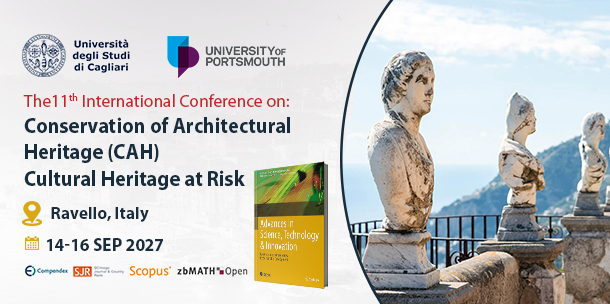
Conservation of Architectural Heritage (CAH) - 11th Edition
- 14th Sep - 16th Sep 2027
- Ravello, Italy
.jpeg)
AI & The Human Sphere (AI-Sphere)
- 30th May - 31st May 2027
- Online Conference
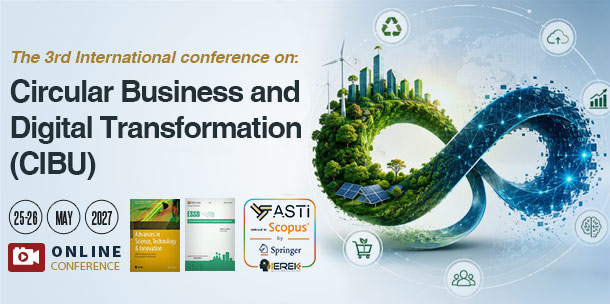
Circular Business and Digital Transformation: Resilience for a Regenerative Economy (CIBU) - 3rd Edition
- 25th May - 26th May 2027
- Online Conference
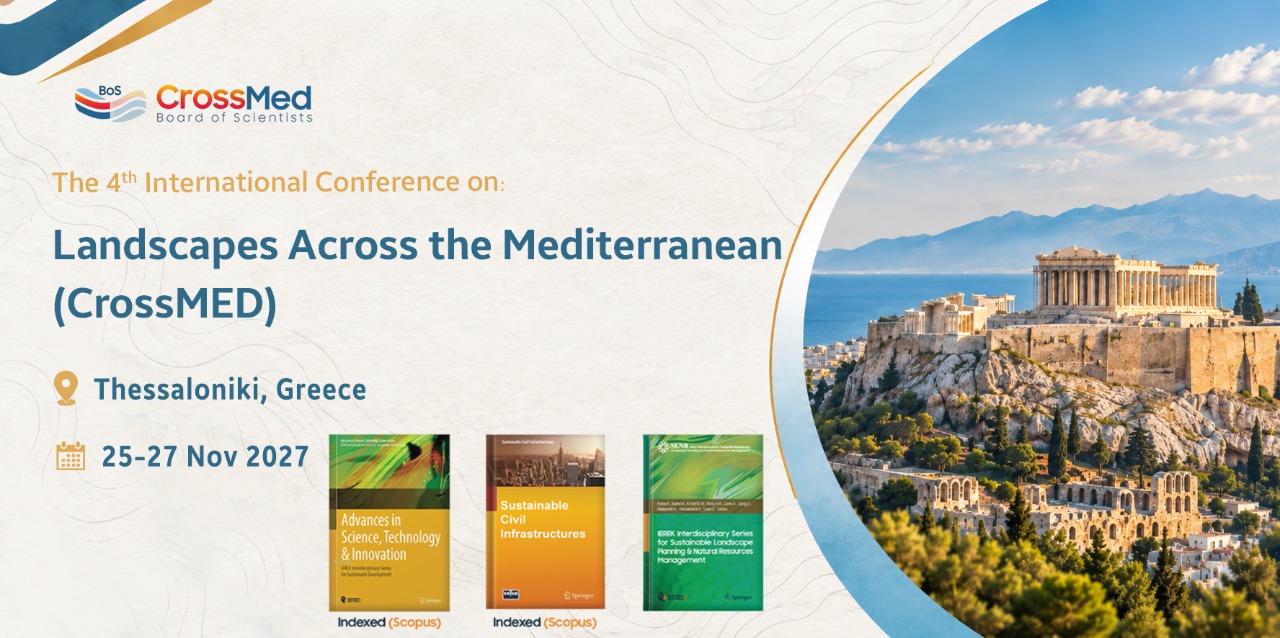
Landscapes Across the Mediterranean (CrossMED) - 4th Edition
- 25th Nov - 27th Nov 2027
- Thessaloniki, Greece
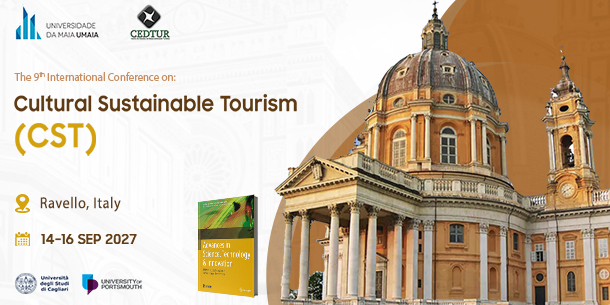
Cultural Sustainable Tourism (CST) - 9th Edition
- 14th Sep - 16th Sep 2027
- In collaboration with the University of Maia (UMAIA)
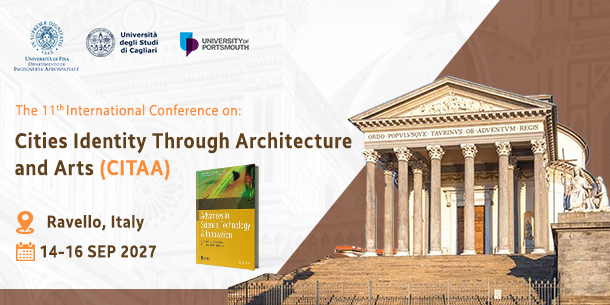
Cities Identity through Architecture and Arts (CITAA) - 11th Edition
- 14th Sep - 16th Sep 2027
- The European University Centre for Cultural Heritage, Ravello, Italy
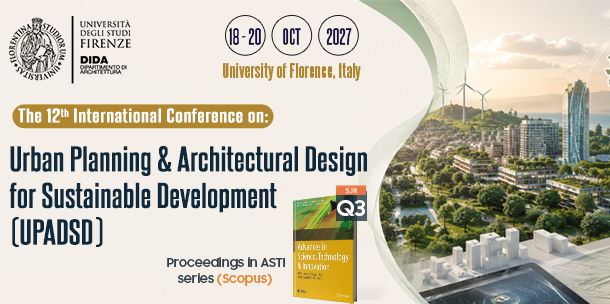
Urban Planning and Architectural Design for Sustainable Development (UPADSD) - 12th Edition
- 18th Oct - 20th Oct 2027
- University of Florence, Italy

Sustainability in Creative Industries (SCI) - 6th Edition
- 03rd Nov - 04th Nov 2027
- Online In Collaboration with Universitas Ciputra, Indonesia
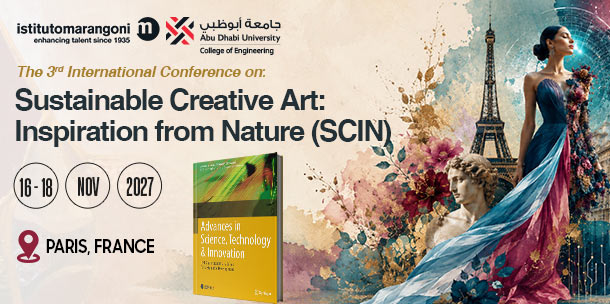
Sustainable Creative Art: Inspiration from Nature (SCIN) - 3rd Edition
- 16th Nov - 18th Nov 2027
- Paris, France
.jpg)
Urban Planning & Architectural Design for Sustainable Development (UPADSD) – 11th Edition
- 20th Oct - 22nd Oct 2026
- University of Florence, Italy
Ask Us Anything!
If you have any question regarding our services, please fill out the form below and we will get back to you as soon as possible.
Partners


